
It started in 1962 with a few history enthusiasts.
We’re a top 20 destination in Maine & a number 1 museum according to USA Today.

1962 | Seven residents of Bath, Maine, formed the Marine Research Society of Bath, which did business for years as the Bath Marine Museum. In 1975, the name was changed to Maine Maritime Museum.
1975 | The Percy & Small Shipyard was donated by Mr. and Mrs. L. M. C. Smith. In 1981 Mrs. Smith also donated the adjoining Donnell House, a shipyard owner’s Victorian-era residence. The P&S Shipyard is the only intact shipyard site in the United States that built large wooden sailing vessels.
1985 | The museum added a building on the shipyard campus to house its lobstering exhibit. Also in 1985, a partnership with the Grand Banks Schooner Trust allowed the schooner Sherman Zwicker to be a floating waterfront exhibit at the museum each summer until it was sold in 2014.
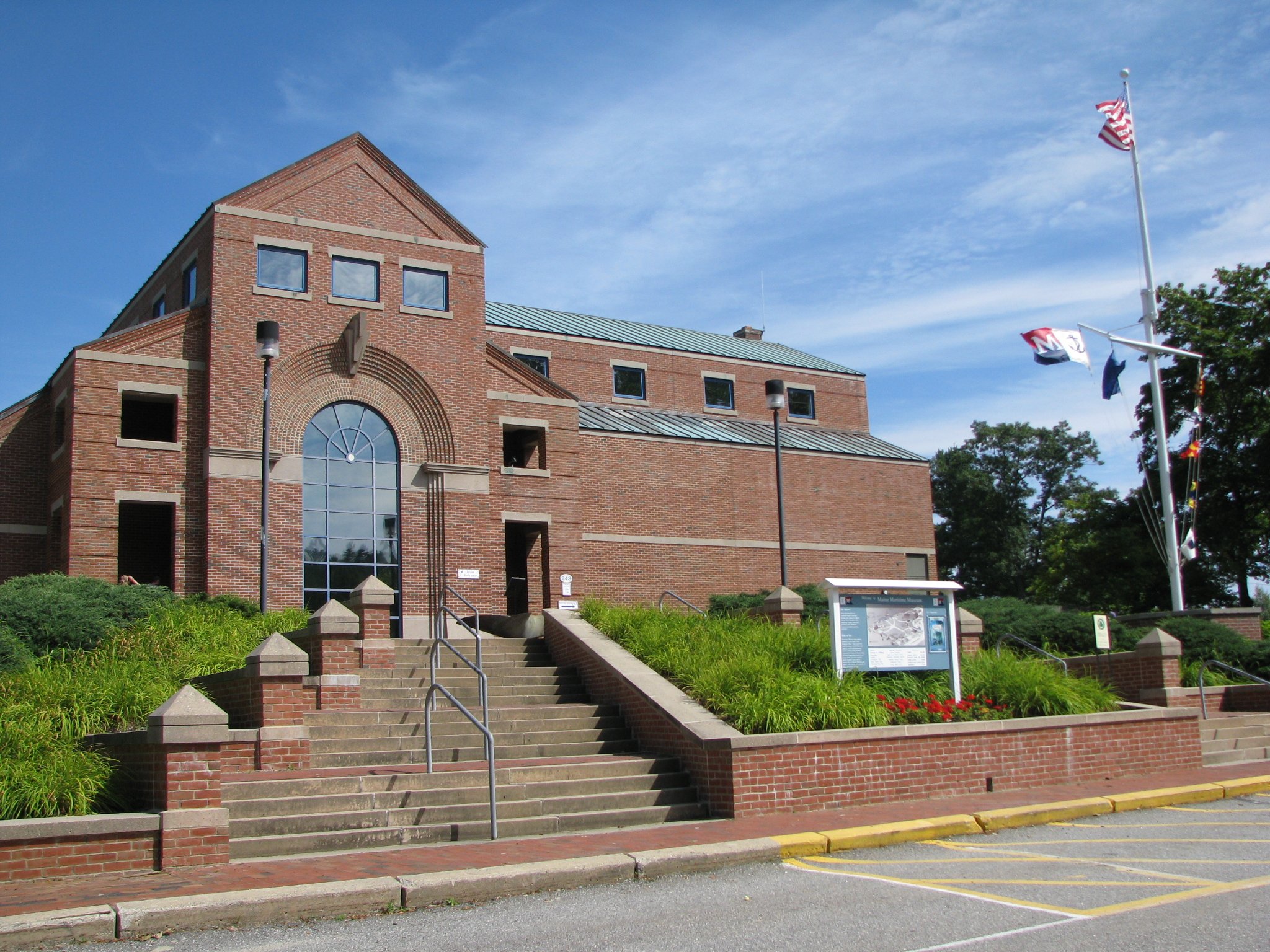
1989 | The museum built its three-story climate-controlled Maritime History Building, adjacent to the Percy & Small Shipyard, allowing all the exhibits, collections storage, research library, gift shop, admissions desk, and administrative functions to be in one location for the first time.
1994 | The museum rebuilt the Deering Pier to provide dockage to larger visiting commercial and private vessels.
1995 | The remains of the clipper ship Snow Squall arrived at the museum, housed in its own building near Deering Pier.
2001 | The museum built an addition to the Maritime History Building, a special event facility named Long Reach Hall. The following year the Visiting Yachtsmen’s Building was added to provide amenities for visitors arriving by boat.
2005 | The museum opened the William T. Donnell house to the public, giving visitors the opportunity to see a shipyard owner’s home as it looked in 1892.
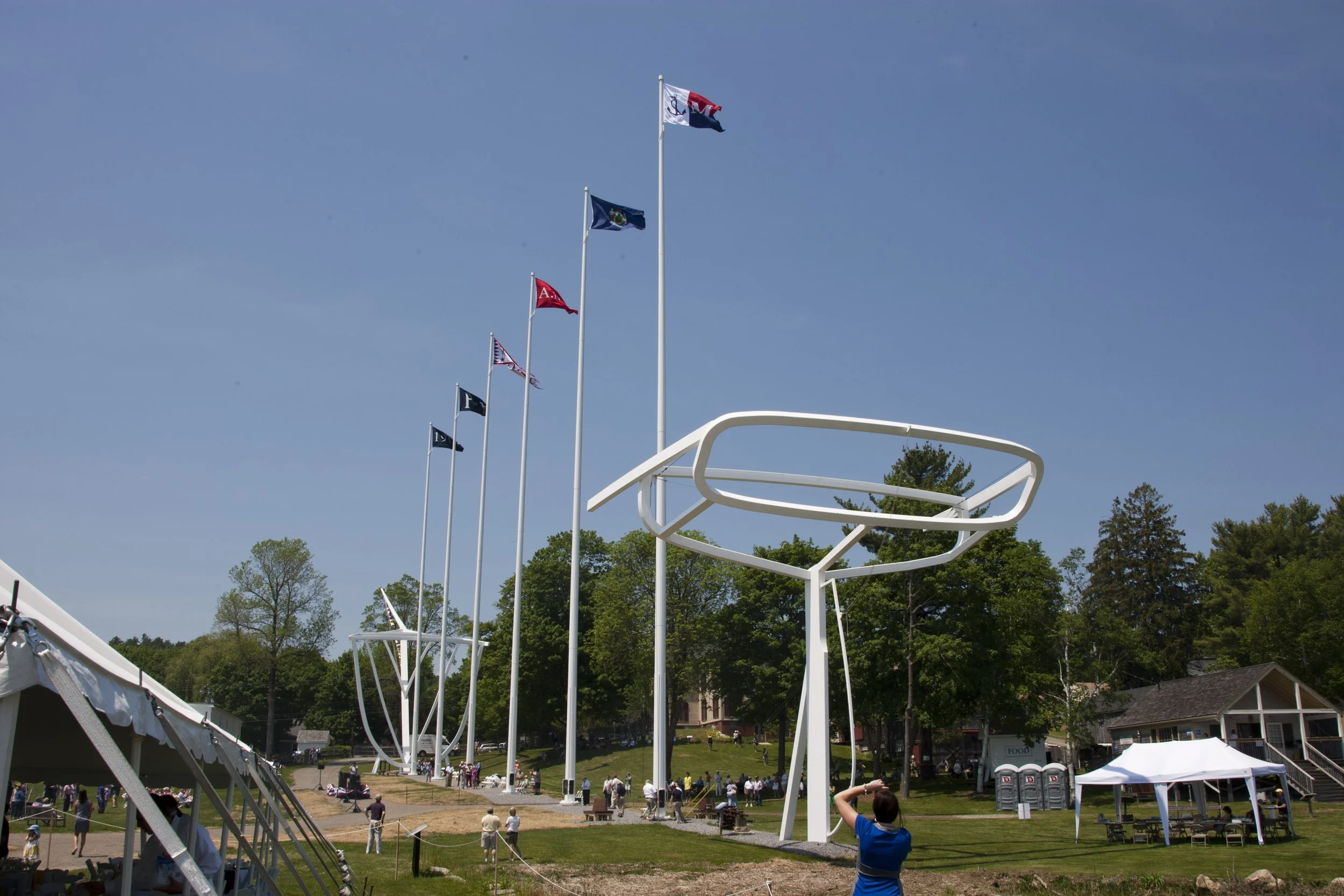
2006 | The evocation of the bow and stern of Wyoming, the largest wooden sailing vessel built in the United States, was erected where the original vessel was constructed and launched in 1909.
2010 | The museum completed an acquisition of the Portland Harbor Museum (PHM), a smaller maritime museum located in Portland.
2012 | The museum celebrates its 50th anniversary with a major exhibit and catalog of historical collections.
2013 | The addition of the six metal masts of the Wyoming evocation was completed. The sculpture is 444’ long and the largest in New England. Maine Maritime Museum is named one of the top maritime museums in the world by Marine Insight.
2014 | As a result of a generous bequest, the Kenneth D. Kramer Blacksmith Shop exhibit was constructed on the site of the original Percy & Small blacksmith shop, which was destroyed by fire in 1913. The museum is again named one of the world’s top maritime museums by Destinations Travel magazine.
2015 | After 30 years since its original installation, the Lobstering & the Maine Coast exhibit is completely redesigned to tell the full “trap to table” story of the Maine lobster industry.
2016 | Thanks to a grant from the Merrymeeting Bay Trust, the museum purchased the cruise vessel Pied Piper, renaming it Merrymeeting in honor of the region’s ecological wonder, Merrymeeting Bay.
2017 | The museum acquired and began restoring the 1906 schooner Mary E, the oldest surviving Bath-built vessel. Into the Lantern: A Lighthouse Exhibit, an interactive, high-tech exhibit opened as part of the permanent collection. Senior Curator Nathan Lipfert retires after 46 years; to acknowledge his contributions to the museum, the library is renamed Nathan R. Lipfert Research Library.
2018 | The newly restored schooner Mary E is relaunched into the Kennebec and spent its first summer in the water as a popular dockside exhibit. A new permanent exhibit, BIW: Building America’s Navy, opened.

2020 | The museum closes for three months during the COVID-19 pandemic. In September, middle school students participated in the Alternative Expeditionary Learning Semester, with an emphasis on outdoor education and experiential learning.
2021 | First Impressions, a 3.3 million dollar renovation, is completed. The front entrance and south side of the museum’s campus were renovated to enhance the visitor experience, create an ecologically friendly and attractive landscape, and address a lack of handicapped accessibility. Cotton Town: Maine’s Economic Connections to Slavery In collaboration with Bowdoin College’s Africana Studies Department, opened. This exhibit investigated the complexities inherent in an underrepresented aspect of Maine maritime history: the Atlantic slave trade.
2023 | SeaChange: Darkness and Light in the Gulf of Maine opened. This immersive art installation marked the first time climate change is addressed in an exhibition at Maine Maritime Museum.
