
The Story of the Cora F. Cressy
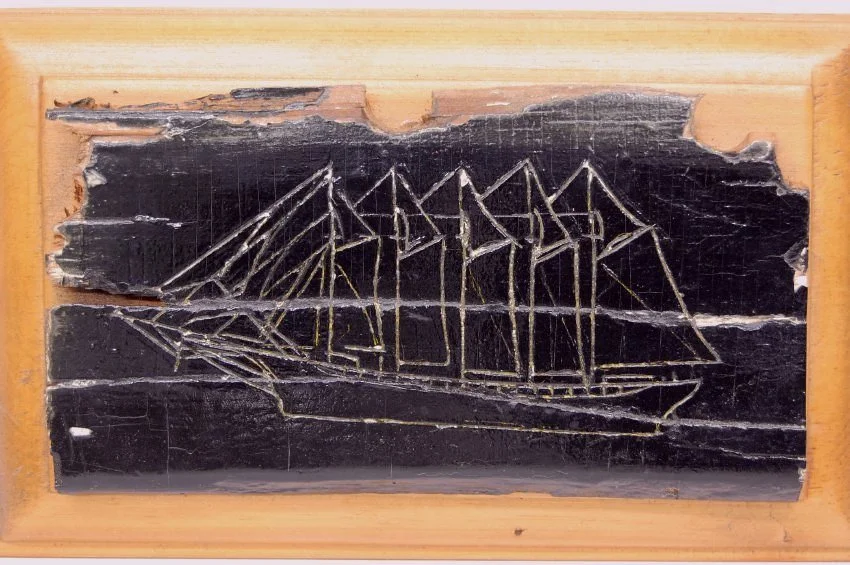
Carving of Cora F. Cressy made from piece of beam in the forecastle on the last voyage. 79.051.1
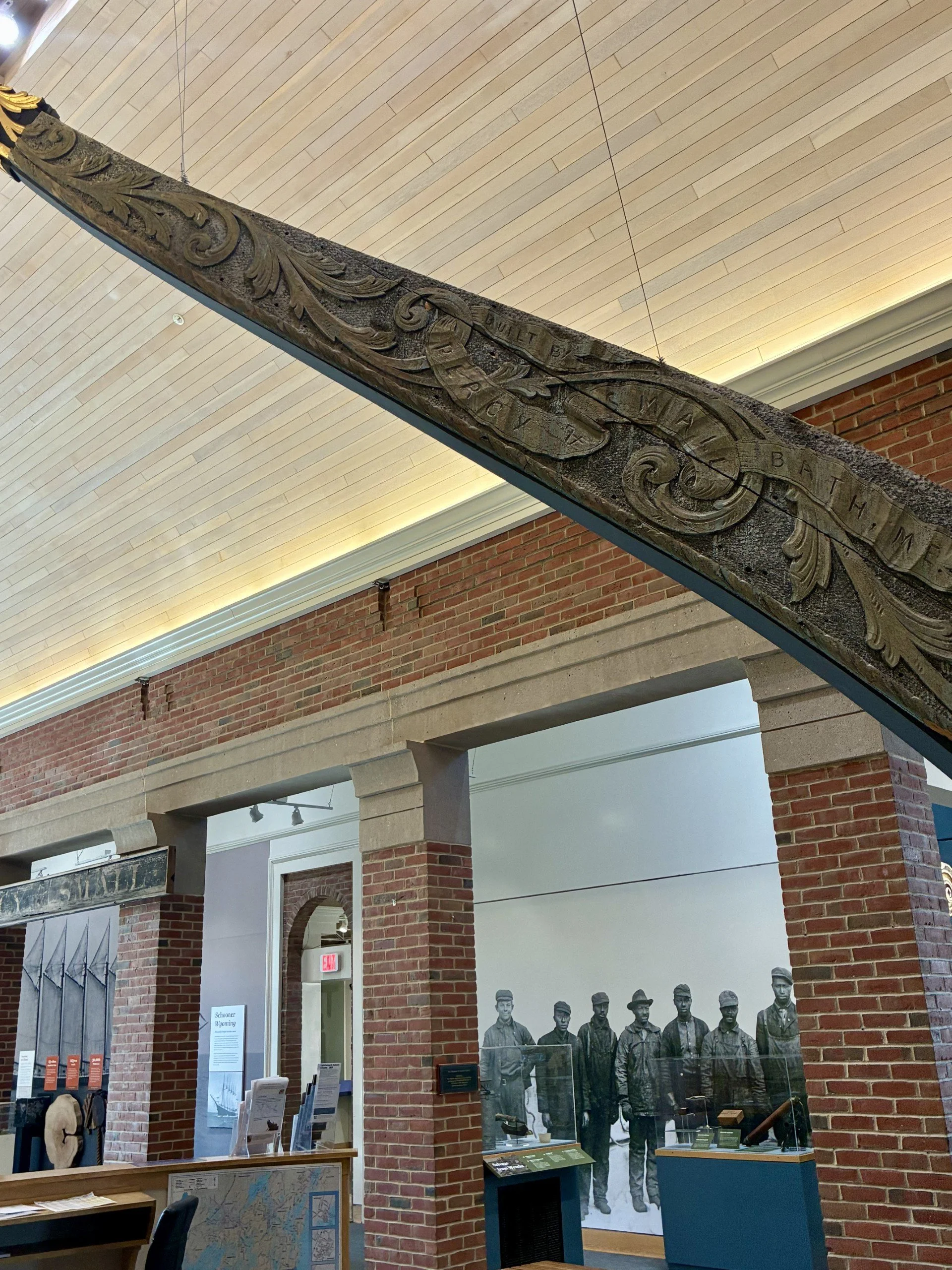
Trailboard from Cora F. Cressy. Photo courtesy Kori Tanzer.
What do this carving of a ship and the trailboards that tower over Sewall Hall in the Maritime History Building have in common? Both belong to a five-mast schooner built in 1902 at the Percy & Small Shipyard, the Cora F. Cressy.
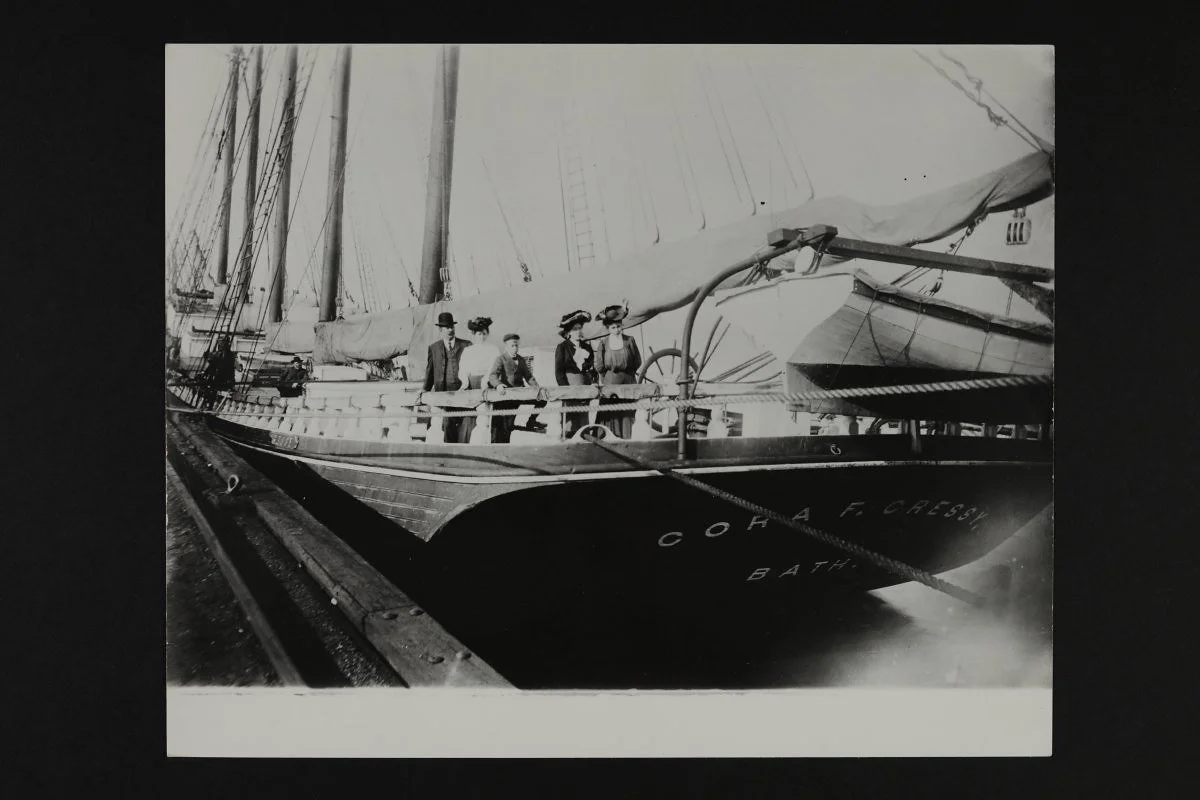
A note on spelling:
Some documents such as newspaper articles use the alternate spelling “Cressey”. However in this archival photo below, the name is clearly spelled as “Cressy” along the stern. MMM Photographic Reference Collection - PC3, 77_241.
Like Wyoming, another great schooner of the Percy and Small fleet, the Cressy was engaged mainly in hauling coal from ports along the east coast of the United States including Boston and Portland. Wyoming and other colliers were crewed predominantly by Black men and immigrants and they Cressy was no exception. It was reported to have as few as eleven crew members.
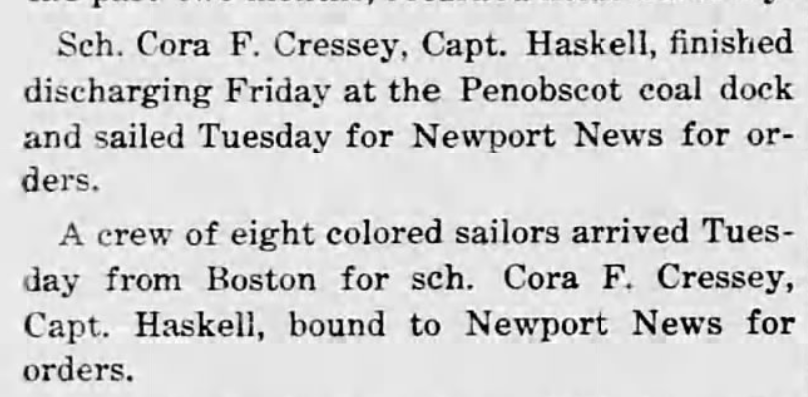
Bangor Republican, Nov 19, 1908.
Source: Newspapers.com
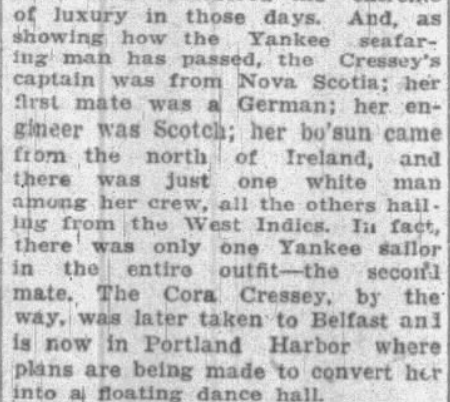
Bangor Daily Commercial, August 1, 1929. Source: Newspapers.com
These ships were the freight trucks of their day, hauling goods as quickly as possible to turn the best profit possible. A small crew means more profit for the owners but more work for the crew. While a steam engine would have assisted with hauling anchor and setting sails, the crew would have been working tirelessly shoveling coal for engines and for pumps keeping water out of the massive schooner which tended to leak badly. Despite the trials of coal hauling and seafaring, the Cressy enjoyed a successful career hauling coal and lumber, and even survived the 1924 storm in which the Wyoming was lost with all-hands.
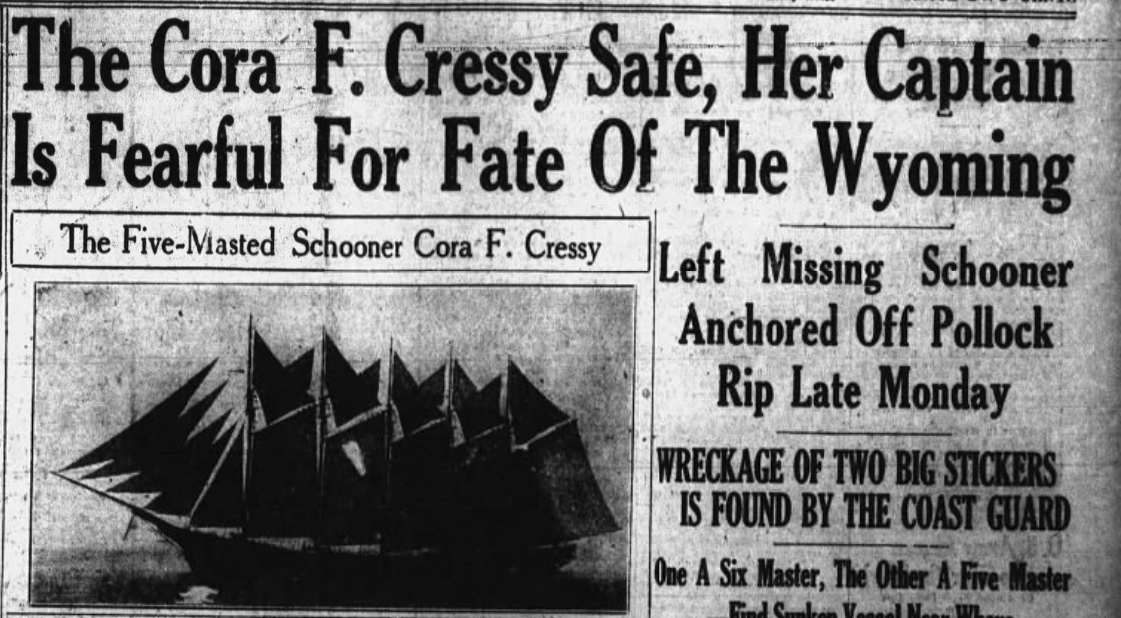
Portland Press Herald, March 15, 1924. Source: Newspapers.com
Another storm in 1928 badly damaged the Cressy, and with the age of sail coming to an end, it was deemed too costly to repair. In 1929 the Cressy was sold, and was operated as a floating nightclub (and rumored speakeasy) called Levaggi’s Show Boat in Boston.
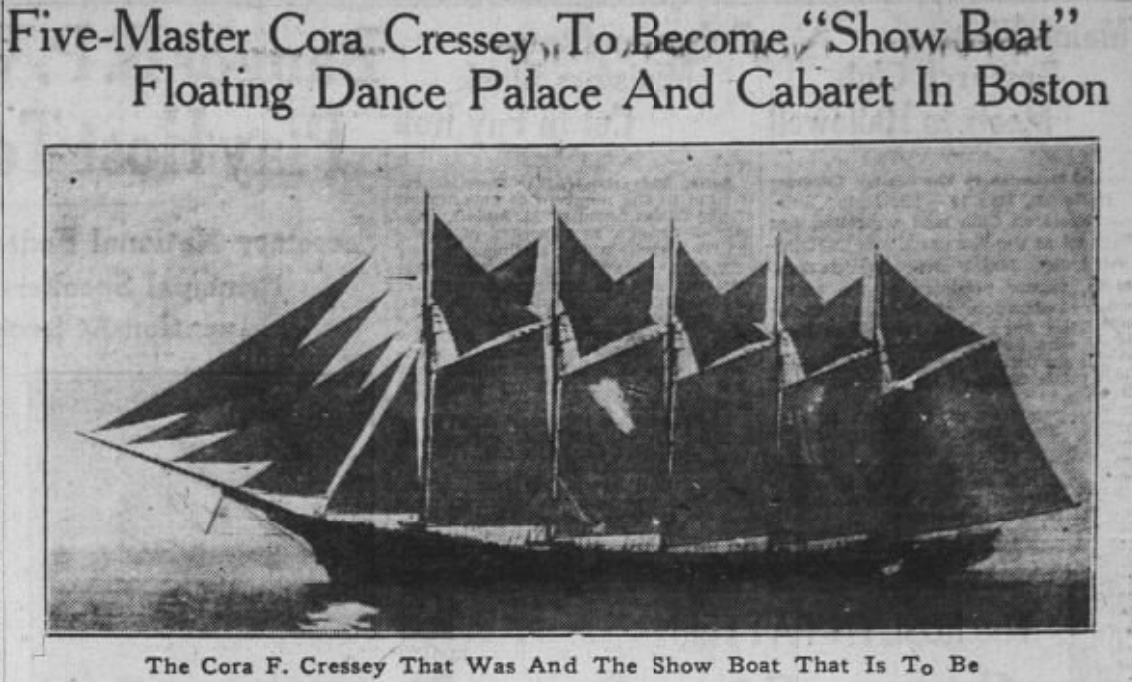
Portland Sunday Telegram and Sunday Press Herald, May 19 1929. Source: Newspapers.com
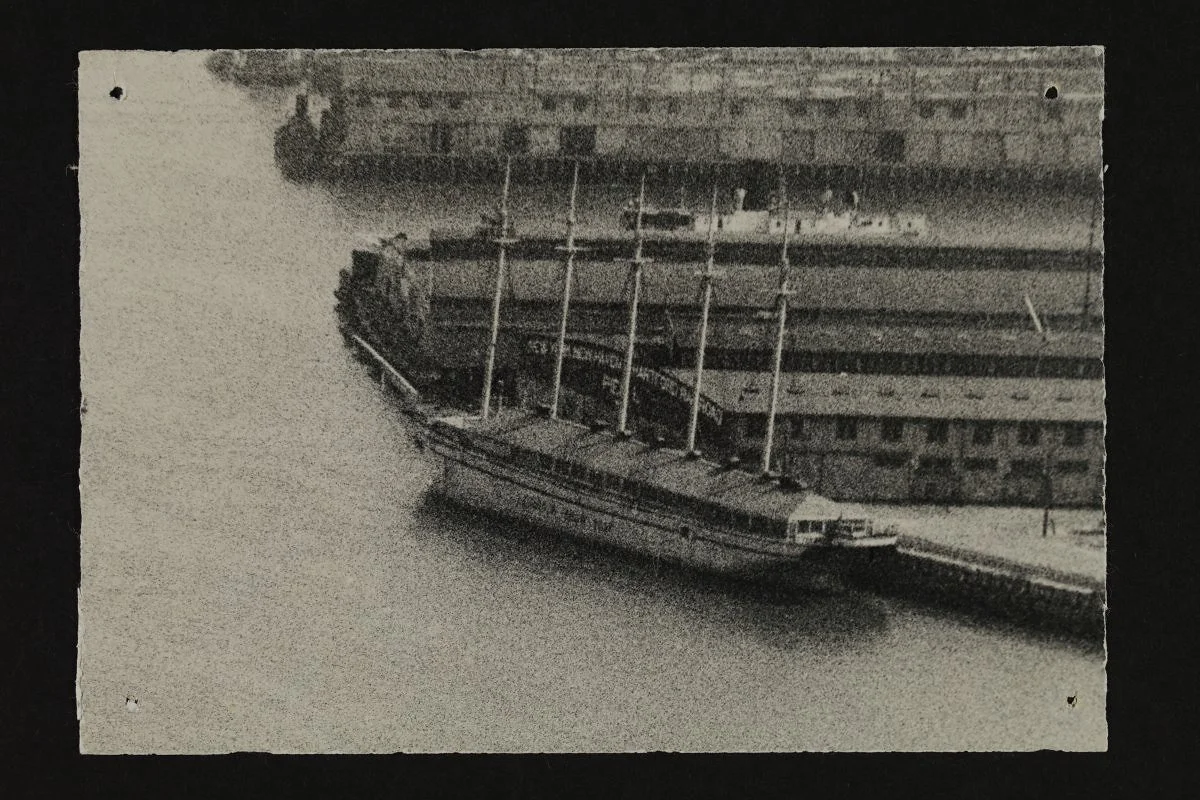
Cora F. Cressy at port (Boston’s hottest speakeasy). Photograph, March 23, 1937. MMM Photographic Reference Collection - PC3, 77_203.
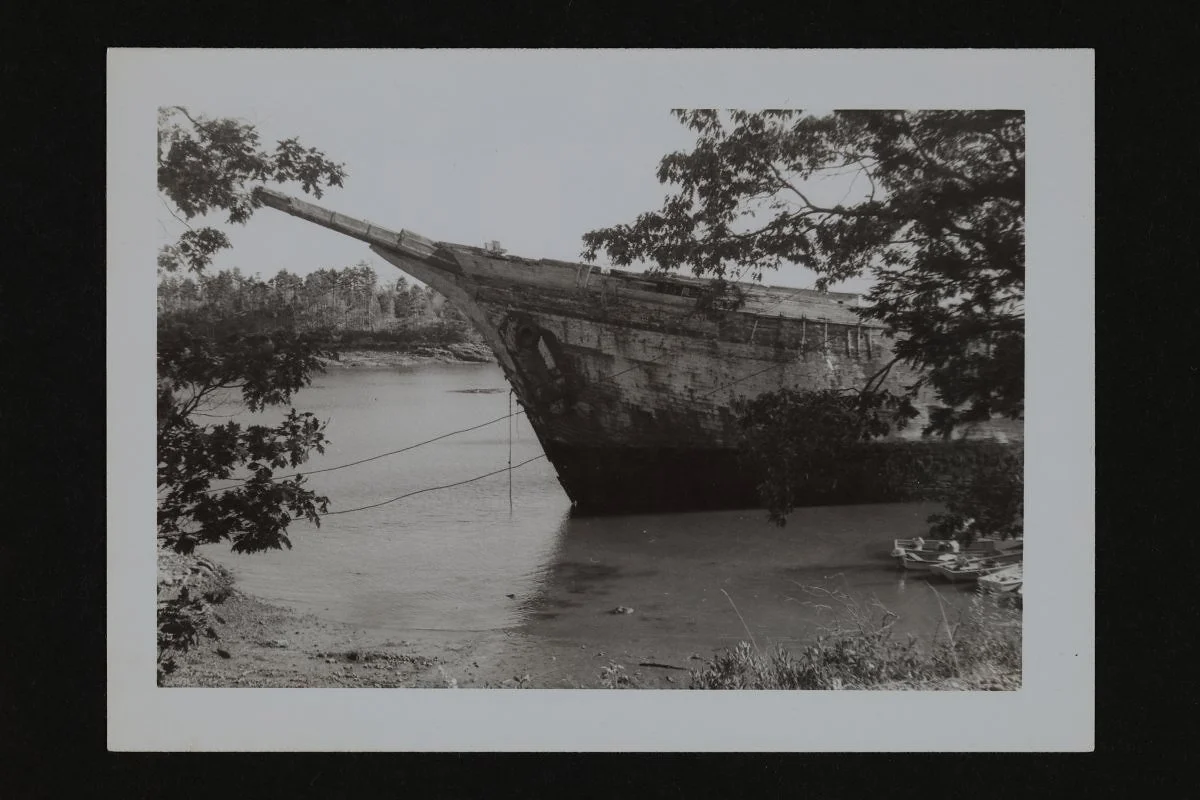
After the club went bankrupt in 1938, Cressy was sold again in 1938 to lobster dealer Bernard “Bunny” Zahn and towed to his operation at the Keene Narrows in Breman, Maine. There are conflicting reports on whether or not Zahn intended to use the Cressy’s hulk as a lobster pound. In an interview with his wife Nancy in 1980, she states Cressy was meant to act as a pound. This operation never seems to have gotten underway. As with so many ships, stories and lore pop up that may or may not be true. One such bit of lore that circulates is that the shipbuilders of Percy and Small were too good at their jobs and the Cressy’s hull was too stout and well-built. Being unable to drill enough holes for the proper water circulation of a successful lobster pound, the Cressy ended up as a breakwater.
The Cressy has acted as a breakwater ever since, and today functions as an aquaculture co-op, growing the aptly named “Cora Cressy” oysters.
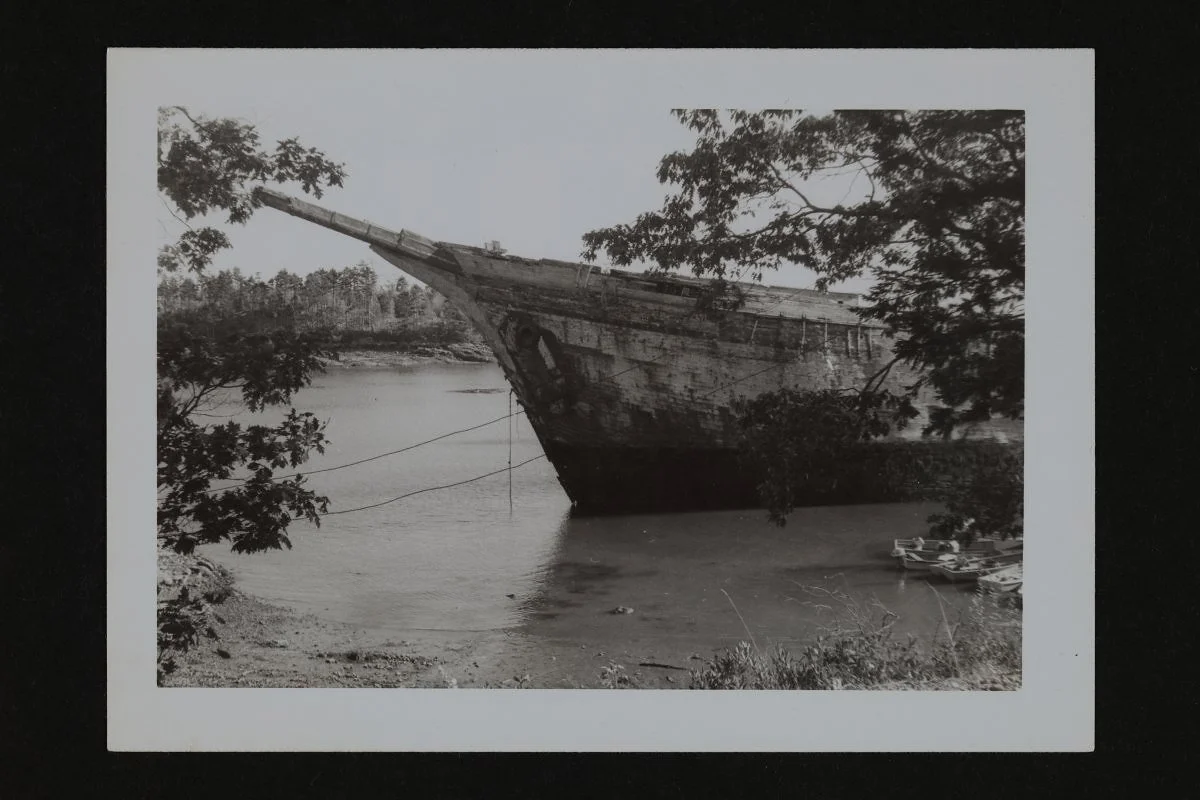
Cora F. Cressy in Bremen, Maine. Photograph, October 3, 1964. MMM Photographic Reference Collection - PC3, 77_237
Nevertheless, the fact the hull can still be seen over 120 years later and mostly intact speaks to the skill of the shipbuilders. The Cressy hulk is listed on the National Register of Historic Places and is one of the largest surviving wooden hulls in the United States, and the only remaining visible hull built by Percy & Small.
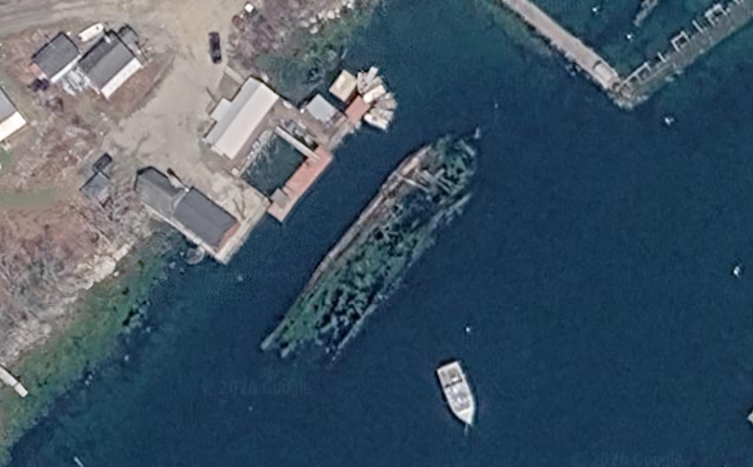
Google Earth, 2026